
Зміст
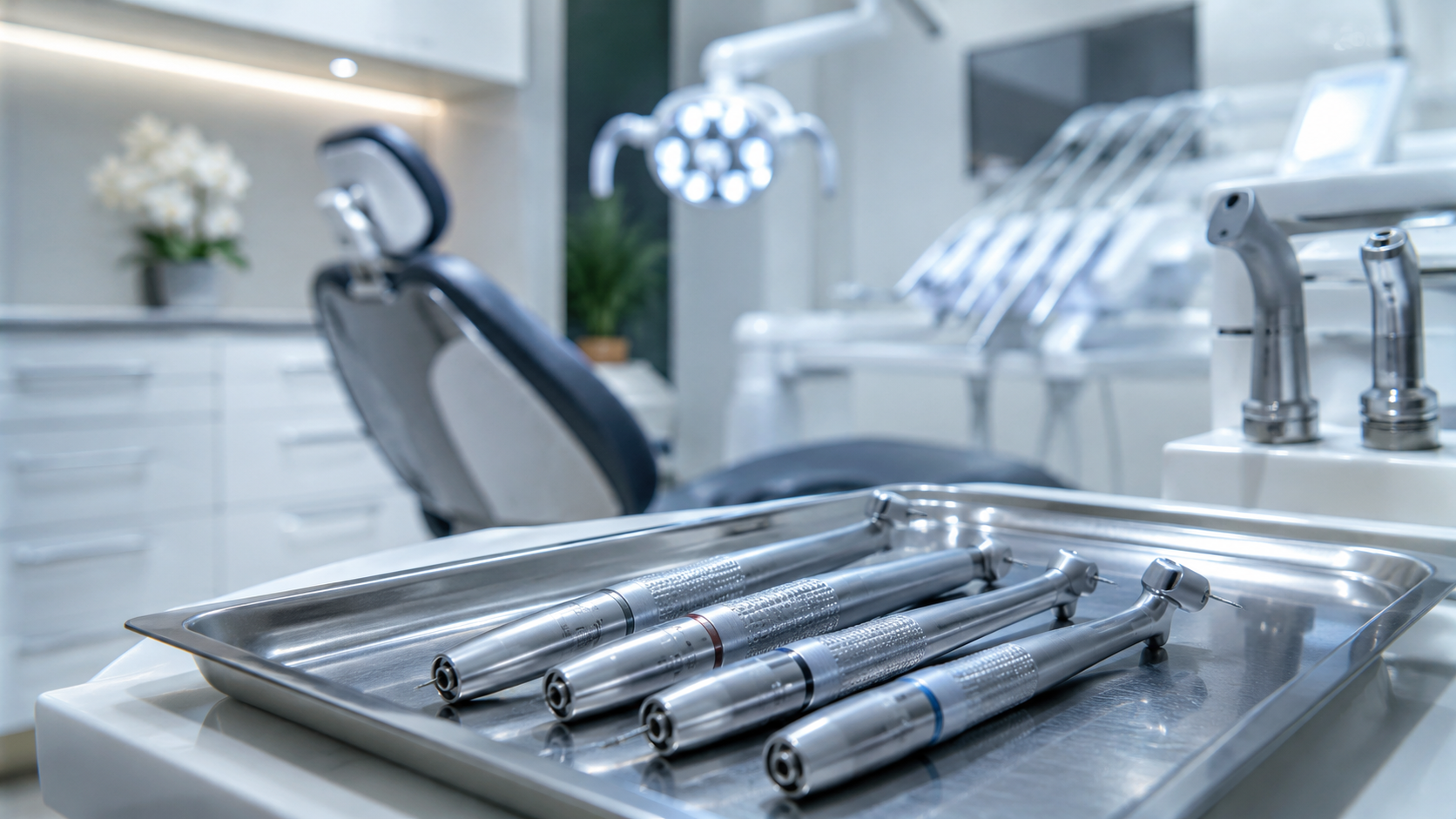
Dental turbines in dentistry represent one of the most transformative technologies in restorative dental practice. These high-speed precision instruments have fundamentally changed how dentists perform procedures, improve patient outcomes, and maintain clinical efficiency. In this comprehensive guide, you’ll discover what dental turbines are, why they matter, how to use them safely, and how proper maintenance extends their lifespan.
Key Takeaways
- Dental turbines operate at 200,000-400,000 RPM and represent essential instruments for efficient cavity preparation, crown work, and restorative procedures in modern dentistry.
- Proper sterilization protocols, including enzymatic cleaning and autoclave sterilization, are non-negotiable for infection control and extending turbine lifespan to 3-5 years.
- Light touch with adequate water cooling prevents bearing damage; excessive pressure and dry operation are the leading causes of premature turbine failure.
- Quality turbines from established manufacturers meet ISO standards for precision and reliability, making them a cost-effective investment despite higher initial purchase price.
- Regular maintenance, proper storage in dry conditions, and immediate repair of speed loss or performance issues protect your instrument investment and ensure consistent clinical outcomes.
Table of Contents
- What Are Dental Turbines?
- The Role of Dental Turbines in Modern Dentistry
- Key Advantages and Benefits
- How Dental Turbines Work
- Turbine Speed and Performance Standards
- Sterilization and Maintenance Requirements
- Selecting the Right Turbines for Your Practice
- Common Mistakes to Avoid
- Frequently Asked Questions
Table of Contents – dental turbines dentistry
What Are Dental Turbines?
A dental turbine is a high-speed rotating handpiece that operates at speeds typically ranging from 200,000 to 400,000 rotations per minute (RPM). These instruments use compressed air to drive a rotor assembly, generating the rotational force necessary for cutting, grinding, and finishing dental materials. Understanding what a dental turbine is and how it works is fundamental for any dental professional who wants to maximize clinical efficiency and patient safety. The turbine itself represents the heart of the dental handpiece, converting pneumatic pressure into mechanical motion with remarkable precision. Modern dental turbines are engineered to strict international standards, ensuring consistent performance and reliability across thousands of clinical procedures.
The Role of Dental Turbines in Modern Dentistry
Dental turbines have become indispensable in contemporary restorative practice. They serve multiple critical functions:
- Cavity Preparation: Rapid enamel and dentin removal with minimal heat generation
- Crown and Bridge Work: Precise tooth reduction and margin finishing
- Endodontic Access: Safe and efficient access opening creation
- Cosmetic Dentistry: Fine polishing and finishing of composite restorations
- Implant Surgery: Bone preparation with excellent visibility and control
- Operative Finishing: Surface refinement and detail work on restorations
The versatility of dental turbines makes them essential for almost every restorative procedure in modern dental practice. Learning the essential things about dental rotors and turbines helps you maximize their potential in your clinical work.
Key Advantages and Benefits
Speed and Efficiency
The primary advantage of dental turbines is their extraordinary speed. High-speed instruments can complete tooth preparation in a fraction of the time required by slower handpieces. This efficiency directly reduces chair time and allows practitioners to see more patients while maintaining quality outcomes.
Improved Visibility
The design of high-speed turbine handpieces typically includes better visibility of the operative field. Many modern turbines feature superior lighting and head designs that give clinicians a clearer view of margins and preparation details.
Reduced Heat Generation
Modern dental turbines, when used properly with adequate water cooling, generate significantly less heat than older instruments. This protection is critical for maintaining pulp vitality during preparation procedures.
Precision and Control
The consistency of modern dental turbines delivers predictable performance across thousands of procedures. This reliability enables clinicians to develop technique with confidence.
Patient Comfort
While the sound of a dental turbine is distinctive, modern instruments operate smoothly with minimal vibration. Many patients actually prefer the high-speed approach because it reduces overall treatment time.
How Dental Turbines Work
Understanding the mechanics of dental turbines helps you use them more effectively and recognize when maintenance is needed. The three basic parts of a dental handpiece work together in a coordinated system:
- The Motor: The rotor assembly that spins at extreme speed, driven by compressed air pressure from your dental compressor
- The Head: The bur-holding chuck and bearing system that maintains rotational balance and precision
- The Shank: The connecting portion that attaches to your dental unit and provides water cooling and air pressure
Compressed air enters the handpiece through the shank, applying pressure to turbine blades within the rotor chamber. This creates rotational motion that accelerates to operational speeds in seconds. Water flows through the handpiece simultaneously, cooling the bur and operative area. The bearings that support the rotor must be extremely precise and regularly lubricated to maintain alignment and performance. Regular maintenance of these bearing systems is critical for longevity.
Turbine Speed and Performance Standards
Dental turbines are classified primarily by their operating speed, which directly impacts their applications. Understanding how fast a dental drill spins and what it means for treatment helps you select the right instrument for each procedure.

Turbine Speed and Performance Standards – dental turbines dentistry
Standard High-Speed Turbines (200,000-400,000 RPM)
These are the workhorses of restorative dentistry, delivering the cutting power necessary for efficient cavity preparation, crown reduction, and margin finishing. Most cavity preparations are completed with standard high-speed instruments.
Ultra-High-Speed Turbines (400,000+ RPM)
Specialized turbines that operate at speeds exceeding 400,000 RPM offer even faster cutting with minimal pressure application. These are often used in specific applications where maximum efficiency is desired.
Performance Specifications
Quality dental turbines must meet stringent ISO standards for torque consistency, bearing accuracy, and water/air tightness. Selecting turbines from established manufacturers ensures you’re working with instruments that meet these critical specifications.
Sterilization and Maintenance Requirements
The investment in quality dental turbines requires commitment to proper sterilization and maintenance protocols. Following a complete sterilization protocol is essential for safety and longevity of your instruments.
Pre-Sterilization Cleaning
Before sterilization, turbines must be thoroughly cleaned with enzymatic solutions and ultrasonic baths. This removes all blood, tissue, and debris that could harbor microorganisms or damage bearings.
Steam Sterilization
Most dental turbines are safely sterilized in an autoclave at standard dental sterilization temperatures (121°C, 132°C, or 134°C, depending on manufacturer specifications).
Maintenance Between Sterilization Cycles
Properly cleaning dental handpieces between patients involves flushing with water and air, removing debris, and ensuring channels remain patent.
Water Management
The water lines in your dental unit should be treated with appropriate disinfectants and maintained according to CDC and local infection control guidelines. Understanding whether handpieces can be submerged in water helps you clean them safely without causing damage.
Selecting the Right Turbines for Your Practice
Choosing quality dental turbines involves evaluating several critical factors:
Manufacturer Reputation
Established manufacturers like NSK turbines have decades of clinical experience and rigorous quality control. Premium manufacturers invest in research and engineering that translates to better instrument performance.
Speed Requirements
Consider the majority of procedures in your practice. General restorative dentists typically benefit most from standard high-speed turbines. Specialists may need additional ultra-high-speed instruments.
Budget Considerations
Quality turbines are a significant investment, but the cost per procedure is justified when instruments last 3-5 years with proper care. Cheaper instruments may fail prematurely, actually increasing total cost of ownership.
Ergonomics and Design
The weight, balance, and head design of the turbine affect operator fatigue and clinical control. Try instruments before purchasing when possible.
Warranty and Support
Reputable manufacturers provide warranties and technical support. This matters if you encounter problems or need maintenance guidance.
Common Mistakes to Avoid
Understanding what should never be done with dental handpieces helps you protect your investment and ensure patient safety.
Excessive Pressure
Using heavy downward pressure on a dental turbine is unnecessary and damages bearings. Let the instrument’s speed do the work; light touch produces better results and extends instrument life.
Neglecting Water Cooling
Operating turbines without adequate water flow generates dangerous heat that can damage the pulp and harm the handpiece bearings. Always verify water spray before beginning.
Improper Sterilization
Using incorrect temperatures, pressures, or times during sterilization can warp components and damage the delicate bearing assemblies. Follow manufacturer guidelines precisely.
Inadequate Cleaning
Debris left in the turbine creates contamination and increases wear. Thorough cleaning before sterilization is non-negotiable.
Storage Issues
Storing turbines in humid environments or with residual moisture promotes corrosion. Store cleaned and dried instruments in a dry cabinet at room temperature.
Conclusion
Dental turbines in dentistry represent a significant advancement in clinical efficiency, precision, and patient care quality. These remarkable instruments have earned their essential place in modern dental practice through decades of clinical validation and continuous improvement. By understanding how turbines work, recognizing their clinical advantages, and committing to proper maintenance and sterilization protocols, you maximize their performance and protect your practice investment. Whether you’re upgrading your instrument inventory or training team members on proper turbine care, the principles outlined here apply universally. Quality dental turbines, combined with proper technique and meticulous maintenance, deliver the precision and efficiency that contemporary dentistry demands.
Frequently Asked Questions
What is the difference between a dental turbine and a dental handpiece?
A dental turbine is specifically the rotor assembly—the rotating component—within a dental handpiece. The handpiece is the entire instrument, which includes the turbine, motor housing, head, shank, and bur-holding chuck. Think of the turbine as the engine within the handpiece.
How often should dental turbines be serviced or replaced?
With proper maintenance and sterilization, quality dental turbines typically last 3-5 years before performance degradation requires service or replacement. Some high-end instruments may last longer. Regular professional servicing can extend life by addressing bearing wear and other internal issues.
Can dental turbines be repaired, or must they be replaced?
Many dental turbines can be professionally serviced and repaired by authorized service centers. Common repairs include bearing replacement, seal replacement, and rotor balancing. However, severe damage may necessitate replacement rather than repair. Consult your turbine manufacturer for specific guidance.
What causes dental turbines to lose speed or power?
Speed loss typically results from bearing wear, internal contamination, or reduced air pressure from your compressor. Inadequate water cooling can also damage bearings. If a turbine loses speed, have it serviced immediately to prevent further damage.
Are there specific infection control standards for dental turbines?
Yes. The CDC, ADA, and ISO establish strict infection control requirements for dental handpieces including turbines. These standards mandate proper sterilization, surface disinfection, and water line quality management. Your practice must comply with these standards for patient and staff safety.

